

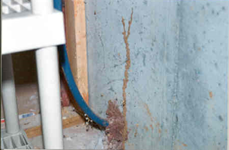
Left unchecked termites and Wood Destroying Organisms (WDO) can cause catastrophic damage to structures across the US. Homeowners may have undetected active termites and WDO within their homes causing significant yet hidden damage. The following tips are presented as a public service to inform homeowners about these troublesome pests.
1. Learn about termites and wood destroying organisms that are active in your area.
2. Common types of termites include: subterranean, dry wood and Formosan termites.
3. Learn about the different types of termite services and related warranties offered by pest professionals prior to making any termite service purchase decisions.
4. Be sure your home is inspected for termites and WDO each year by a competent professional if you reside in an area where termite activity and risk is significant.
5. Insist on a thorough inspection of your home including the interior, exterior, crawl space, basement and/or attic.
6. The most destructive WDO of concern to homeowners in the Southeast are subterranean termites, powder post beetles and wood decay fungi.
7. Telltale signs of termites include:
a. Mud shelter tubes.
b. Swarming (flying) termites.
c. Shed wings from termite swarmers.
d. Dead termite swarmers.
e. Damaged wood.
f. Mud or soil on or between structural lumber, floor boards, wood trim and other areas.
g. Fecal pellets from drywood termites.
h. Exit or entry holes in structural members, wood trim, wall boards and other.
8. Termite protection service sold without a sufficient inspection or treatment is not a good deal.
9. Thoroughly read the termite service contract prior to making a purchase decision.
10. Have at least three competing inspections and contracts to compare prior to making a termite service purchase decision.